

Five Gustave Roussy Scientists Appointed as Inserm Research Fellows
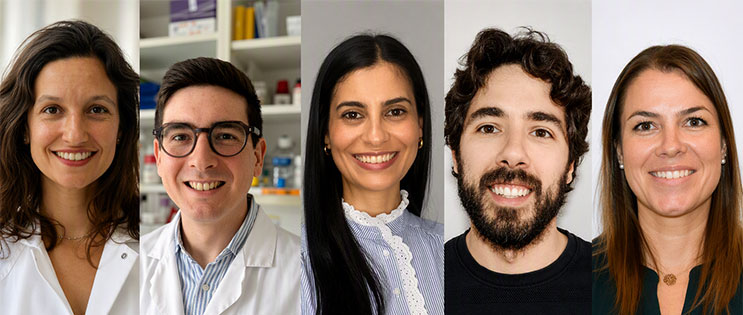
Inserm – the French National Institute of Health and Medical Research – is the only French public research organisation entirely dedicated to human health. Each year, its new tenured research fellows are recruited through a highly selective competitive process. For the 2026 edition, five young researchers from Gustave Roussy are among the awardees, highlighting the Institute’s attractiveness and dynamism in cancer research. One of them, Jean‑Baptiste Alberge, has also received an Atip‑Avenir grant, aimed at particularly promising early‑career researchers.
 Jean‑Baptiste Alberge – Inserm research fellow competition and Atip‑Avenir programme; UMR1360
“My research focuses on identifying and characterising genetic alterations that contribute to relapse in childhood cancers. To achieve this, my team analyses the evolution of tumour cell genomes at different stages of the disease and develops innovative bioinformatics approaches to understand how certain cells resist treatment.”
Jean‑Baptiste Alberge also received an Atip‑Avenir grant this year. This programme enables young talents to establish their own research teams in the life and health sciences. It is the seventh Atip‑Avenir grant awarded to a Gustave Roussy researcher since 2021.
 Carlos Pérez González – Inserm research fellow competition; UMR1279
« My group aims to understand how mechanical forces shape tumor dynamics and cellular plasticity. Using patient-derived organoids and in vivo tumor models, we will uncover novel mechanisms by which physical cues drive cancer growth, invasion, and therapy resistance. Our long-term goal is to establish a mechanomedicine framework that advances our fundamental understanding of tumor biology and enables more effective cancer therapies.»
 Antonela Merlotti – Inserm research fellow competition; UMR1356
« The main focus of my research is immunotherapeutic strategies that can act in vivo within solid tumors to enhance and restore the local anti-tumor immune response. In parallel, we work to broaden the antigenic landscape available for immunotherapy development by identifying new tumor antigens. By combining fundamental immunology and translational oncology research, we aim to understand the mechanisms of action of these strategies, with the ultimate goal of deepening our understanding of anti-tumor immunity and informing the design of more effective cancer immunotherapies. »
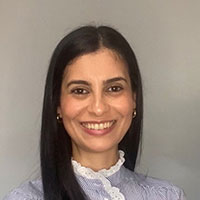 Meriem Messaoudene – Inserm research fellow competition; UMR1367
« Mes recherches portent sur les interactions entre le microbiote intestinal, le système immunitaire et les cancers. En m'appuyant sur des cohortes de patients, des modèles précliniques et des approches translationnelles, je cherche à comprendre les mécanismes par lesquels le microbiote influence la réponse aux immunothérapies. Mon objectif est de développer de nouvelles approches thérapeutiques basées sur le microbiote, ainsi que des biomarqueurs permettant de personnaliser les traitements et d'améliorer durablement la prise en charge des patients atteints de cancer. »
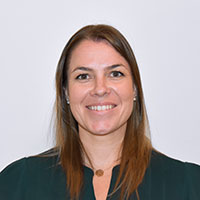 Laurianne Scourzic – Inserm research fellow competition; UMR981
« My research programme aims to decipher the epigenetic mechanisms and three‑dimensional genome organisation that regulate B‑cell plasticity and are hijacked during lymphoma development. By integrating multi‑omics approaches, in vivo preclinical models, and the analysis of patient samples, we seek to understand how this plasticity drives tumour evolution and the emergence of treatment resistance, in order to identify new therapeutic targets for patients with lymphomas. »