Research focus: targeted therapy, artificial intelligence, immunology... Three other breakthroughs to watch
Last quarter, we also learnt that certain immune cells in the brain help gliomas evade the body's defences, that mutations in the KRAS gene may promote resistance to targeted therapies in some lung cancers, and that artificial intelligence could help improve prognostic assessment for women with triple-negative breast cancer.
Published on

Understanding why gliomas evade the immune system
Gliomas, particularly glioblastomas, are among the most aggressive brain tumours. Despite the presence of numerous immune cells in their environment, these cancers are often able to neutralise the body's defences, limiting the effectiveness of immunotherapies.
In this study, coordinated by Professor Florent Ginhoux, the researchers analysed in detail the brain's resident immune cells, known as microglia, during glioma development. They identified a specific population of microglia that accumulates at the edge of the tumour and gradually changes, adopting different behaviours as the disease progresses.
The study shows that these cells play a central role in communication between the tumour and T cells, the main cells involved in anti-tumour immunity. Depending on the stage of the disease, they can either stimulate or suppress T-cell activity, thereby helping gliomas evade the immune system.
These findings shed new light on the mechanisms that allow brain tumours to circumvent the body's defences. They also pave the way for strategies designed to reprogramme these microglia and restore a more effective immune response against the tumour.
Disease-associated microglia adopt stage-specific phenotypes that regulate T cell fate and immunity in glioma
Qian J., Wang C., Zhang Y., et al., Immunity, Volume 59, Issue 8, 11 August 2026.
Read the article
Overcoming resistance to targeted therapies in lung cancer
Targeted therapies have transformed the treatment of certain lung cancers harbouring molecular alterations in oncogenes such as EGFR, ALK, MET, ROS1 or RET. Despite their effectiveness, most patients eventually develop resistance to treatment, causing the disease to progress again.
To better understand these resistance mechanisms, researchers from Gustave Roussy, Dana-Farber Cancer Institute and Parma University Hospital analysed more than 590 patients with lung cancer treated with targeted therapy. By combining the analysis of tumour biopsies and liquid biopsies obtained from blood samples, they identified alterations in RAS genes (KRAS, NRAS and HRAS) in approximately 10% of patients when their disease progressed.
The researchers then developed experimental models derived from patient biopsies that carried these resistance mechanisms. They showed that combining a targeted treatment already used in clinical practice with a new generation of RAS inhibitors restored substantial antitumour activity. These findings suggest that it may eventually be possible to extend the effectiveness of targeted therapies by simultaneously blocking the tumour's original molecular alteration and the resistance mechanisms it develops.
The study also highlights the value of combining tumour and liquid biopsies to better characterise how cancers evolve and guide increasingly personalised treatment decisions.
Therapeutic targeting of RAS-mediated resistance in oncogene-driven lung cancer
Facchinetti F., Friboulet L., et al., Annals of Oncology, published online 18 August 2026.
Read the article
Using artificial intelligence to improve prognostic assessment in triple-negative breast cancer
In triple-negative breast cancer, the presence of tumour-infiltrating lymphocytes (TILs), which reflect the body's immune response against the cancer, is associated with a better prognosis. Their assessment currently relies mainly on analysis by histopathologists.
An international collaboration involving researchers from Gustave Roussy evaluated whether artificial intelligence tools could automatically quantify these lymphocytes on digitised histology slides and provide reliable prognostic information. The study used data from seven randomised clinical trials, with 1,356 patients included in the final analysis.
The results show that scores generated by artificial intelligence are associated with patients' risk of recurrence and survival. Although their prognostic performance is not superior to that achieved through TIL assessment by expert pathologists, these algorithms improve risk discrimination compared with standard clinical and histopathological criteria alone.
Artificial intelligence-based tumour infiltrating lymphocyte quantification in patients with triple-negative breast cancer: an independent validation study
Dixon-Douglas J.R., Drubay D., Salgado R., et al., The Lancet Oncology, Volume 27, Issue 9, September 2026.
Read the article
Last news
-
Cancer research: the Gustave Roussy Foundation opens three new Chairs of Excellence
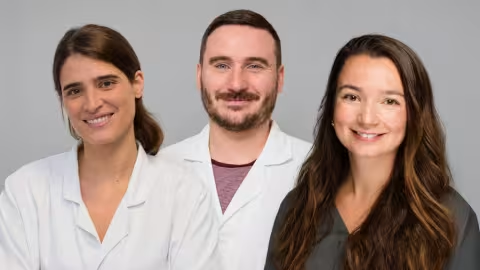
Following the inauguration of its first three Chairs of Excellence in 2024, the Gustave Roussy Foundation is continuing to roll out this programme, which aims to attract and retain the best researchers in oncology. The new Chairs inaugurated this year will generate fresh momentum around cutting-edge research in immunology, artificial intelligence and genetics.
-
18 Gustave Roussy doctors and researchers named among the world’s most influential researchers in 2026
The 2026 Highly Cited Researchers list, published by Clarivate, recognises 18 doctors and researchers affiliated with Gustave Roussy. This international recognition reflects the influence of the research conducted at the Institute and its impact across the global scientific community.

-
Two photon-counting CT scanners now equip Gustave Roussy's imaging department
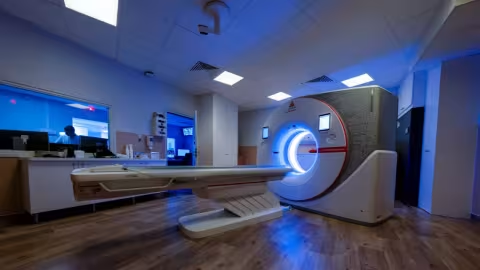
Since September 2026, Gustave Roussy's Department of Medical Imaging has been equipped with a second photon-counting CT scanner, delivering higher image resolution while reducing the doses of X-rays and contrast agent administered to patients. This technology recently enabled the Institute to perform an iodine-free pulmonary CT angiogram, a world first.
-
Prevention and screening: getting ahead of lung cancer
To mark Thoracic Cancer Awareness Month and Tobacco-Free Month, two campaigns focusing on lung cancer, Gustave Roussy highlights its initiatives to advance prevention and screening among people at increased risk. Since its creation in 2021, the Institute’s Interception Lung programme has welcomed more than 900 participants, supporting them to stop smoking and offering personalised screening for the disease.